-
Tian Dong Industrial Park, Decheng District Economic and Technological Development Zone, Dezhou City

Renting vs Buying Ground Mats: Total Cost Over a Season
If you’ve ever walked a muddy site at six in the morning, you already know this pain. Trucks sink. Tracks chew the subgrade. People slip. Then the GC looks at you like, “So… where’s the access road?” Ground protection mats fix that fast. But the real question shows up right after: do you rent mats, or do you buy them?
Most teams only compare the obvious line item. That’s a trap. Over a full season, the real cost comes from logistics, labor, downtime, and who eats the risk when something breaks. Let’s talk about it like people on site actually do.
Table of Contents
Total Cost of Ownership for Ground Protection Mats
What counts in total cost over a season
When crews say “total cost,” they usually mean more than money. They mean how many headaches this choice creates.
Over a season, the cost usually comes from:
- Mobilization and demob (the truck rolls, the scheduling, the waiting)
- Install time (how many hands, how long, and how often you re-lay)
- Downtime (stuck trucks, delayed pours, missed picks)
- Damage and loss (broken corners, cracked panels, mats walking off)
- Storage and yard handling (if you own it, you babysit it)
The best choice is the one that keeps the job moving and keeps the risk clean.
The “hidden” line items crews forget
Here’s what people forget until it bites them:
- The site is never “one surface.” You hit soft spots, slopes, ruts, and surprise utility cuts.
- Weather flips plans. One storm can turn “fine” into “mud job” real quick.
- A mat plan that looks cheap can cost more in rework and crew time.
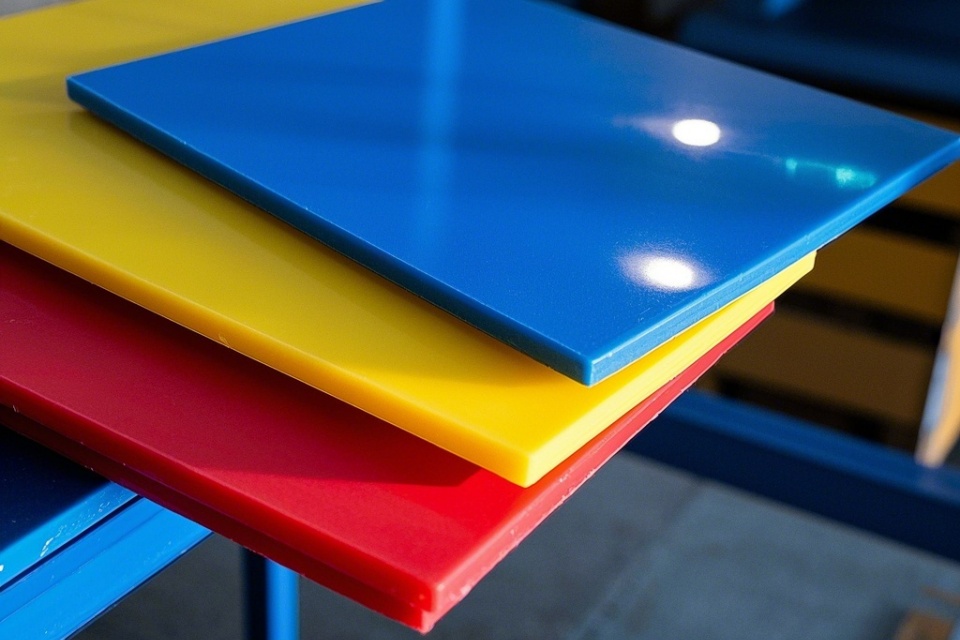
Renting Ground Protection Mats: Cost Drivers and Tradeoffs
Rental terms, minimum weeks, and availability
Renting feels simple. Call the rental house. They drop mats. You lay them. Done.
But rental terms can get spicy:
- Busy season can mean limited stock or substitutions.
- You might get mats that are “okay” but not matched to your load cases.
- Some rentals come with rules that don’t fit real life on site.
Renting works best when you want speed and you don’t want ownership baggage.
Delivery, pickup, and demob headaches
Renting shifts a lot of responsibility. That’s good. But it doesn’t erase coordination.
Ask yourself:
- Can they deliver when your crew is ready, not “sometime Tuesday”?
- Who handles pickup if the schedule slips?
- If mats show up late, do you eat the downtime? (Yeah… usually.)
Renting can be smooth, or it can be death by a thousand phone calls.
Buying Ground Protection Mats: Cost Drivers and Payback
Utilization rate and repeat projects
Buying starts to make sense when you say this sentence:
“We’ll use these again, a lot.”
If you run the same kind of work every season—site access, crane pads, laydown yards, event flooring—ownership can lower your cost per use because you stop paying the weekly burn.
Buying also gives you control:
- You spec the thickness, surface, and connectors you actually need
- You standardize your mat layout so crews move faster
- You stop gambling on whatever condition rental stock comes in
Storage, maintenance, and repair plan
Ownership has a price that isn’t on the invoice:
- You need yard space and handling
- You need a simple repair process
- You need accountability so mats don’t vanish
If you don’t plan storage and tracking, buying turns into “we own chaos.”
Season Length and Utilization: The Real Break-Even Logic
Short season, long season, and shoulder weeks
You don’t need exact numbers to get this right. You just need honest answers.
Renting usually wins when:
- The season is short
- The job is one-off
- You don’t know what’s next quarter
Buying usually wins when:
- The season runs long
- You reuse mats across multiple sites
- You can keep mats working instead of sitting
When “cash tied up” beats “weekly burn”
Buying ties up budget. Renting burns budget over time. That’s the trade.
If you’re tight on cashflow, renting can protect your month.
If you’re tight on margin, buying can protect your year.
Cost Comparison Table for Ground Protection Mats Over a Season
| Cost bucket | Renting mats | Buying mats | What this means on site |
|---|---|---|---|
| Mobilization and scheduling | Often handled by rental supplier | You manage it | Owning saves calls if your yard is ready |
| Install labor | You pay | You pay | Same crew time, unless your mats install faster |
| Downtime risk | Can increase if delivery slips | Lower if inventory is on hand | Inventory control is a real advantage |
| Damage responsibility | Usually shared / negotiated | Mostly on you | Rentals can argue about “returned condition” |
| Storage and handling | Not your problem | Your problem | Yard space is not free, even if you ignore it |
| Standardization and speed | Mixed stock, mixed results | Consistent system | Consistency makes crews faster, less rework |
This table is the reason “cheap” choices sometimes end up expensive.
Risk, Safety, and Jobsite Performance
Subgrade pressure, rutting, and track-out control
Mats aren’t just for “not getting stuck.” They control:
- rutting and soft subgrade damage
- track-out at the gate (the stuff that makes neighbors and inspectors mad)
- stable walking paths for crews
If your mats flex too much or shift, you’ll spend the season fixing the same mess again and again.
Damage, loss, and accountability
With rentals, damage debates happen. With ownership, damage is your bill. Either way, you need a plan:
- assign a mat lead
- mark zones and counts
- take quick photos on arrival and on return (simple, not fancy)
It sounds boring. It saves money.
Material Choice: UHMWPE, HDPE, and Nylon Sheets in Mat Systems
Nylon sheets for wear pads, slide plates, and custom accessories
Here’s a trick crews love: use nylon sheets as sacrificial wear parts in high-rub zones. Think slide plates, skid pads, edge guards, or spacer blocks under repeated traffic paths. Nylon can take abuse, and it’s easy to machine into custom shapes.
If you want that kind of add-on, you can start here: Nylon Sheets.
And yeah, not every job needs it. But when you’re tired of replacing the same corner pieces, nylon parts can stop the repeat pain.
OEM/ODM options for connectors, cleats, and branding
If you buy mats, customization matters:
- connector layout that doesn’t pop loose
- surface texture that matches tires or tracks
- color, marking, and branding for faster counts
As a High-Performance Engineering Plastic Products Manufacturer, we support bulk orders, OEM/ODM, and wholesale-style supply for contractors and distributors. You don’t need a “special project” to ask for a better spec. You just need a real use case.
A Practical Decision Checklist for Contractors and Rental Managers
Quick questions to ask before you commit
Ask these before you pick rent or buy:
- How many times will we deploy mats this season?
- Do we control the schedule, or does weather control us?
- Do we have a laydown yard and someone who tracks inventory?
- Are we solving soft subgrade, heavy loads, pedestrian safety, or all of it?
- What’s the cost of one day of delay on this job? (be honest)
If you can’t answer these, renting is safer. If you can, buying might be smarter.
How Dongxing Rubber fits in the spec
Some sites need more grip. Wet steel decks, steep ramps, high foot traffic. This is where rubber surface options matter.
We can spec traction-focused solutions and, when it fits the project, bring in Dongxing Rubber for rubber-related surface needs. It’s not about hype. It’s about fewer slips, cleaner access, and less crew grumbling.
Bottom line
Renting ground protection mats keeps things flexible and low-commitment. Buying mats builds a repeatable system that can cut long-season waste—if you store, track, and maintain it like you mean it.
If you tell me your season pattern (one site or many, loads, and site conditions), I can help you map a simple rent-vs-buy decision that feels real, not like a spreadsheet fantasy.