-
Tian Dong Industrial Park, Decheng District Economic and Technological Development Zone, Dezhou City

Coal Bunker Limit Plates: Wear, Flow, And Anti-Hang-Up Design
Coal bunkers look simple from far away. You dump coal in. You pull coal out. Done, right?
In real plants, it’s messier. Coal sticks. It bridges. It rat-holes. It builds up in corners. Then somebody gets a call at 2 a.m. because the feeder starved again. You lose tons per hour, and the team burns time doing clean-out work that nobody enjoy.
That’s why coal bunker limit plates matter. They sit in the rough zones—transition areas, “valley” corners, and choke points—where wear and hang-up love to live. If you design them well, you get two wins at once: less wear and more stable flow. If you design them badly, they become a new snag point and you chase the same problems… just in a different spot.
I’m going to argue one thing: limit plates should be treated as a flow-control part, not just a wear part. When you design for flow first, you usually fix wear too.
Table of Contents
Coal bunker hang-up
You’ve probably seen at least one of these scenes:
- A bunker “looks full” but the feeder runs empty.
- Operators crank the vibrator harder, and the flow gets worse.
- Maintenance teams poke with bars, and chunks fall like a small landslide.
- Everyone argues if the coal is “too wet” or “too fine,” but the bunker still hangs.
That’s hang-up in plain language. Technically, you see bridging (a stable arch forms), ratholing (a tunnel forms while sidewalls stay parked), and stagnant zones (coal just sits there and ages). Once coal parks in a dead zone, it can pack, absorb moisture, and turn into a sticky problem. Then cleaning becomes more frequent and more risky.
So the goal is simple: keep coal moving and avoid dead pockets.

Coal bunker material flow
Flow problems don’t come from “bad luck.” They come from predictable things:
- Wall friction too high (coal grabs the surface).
- Geometry that creates valleys and sharp transitions.
- Impact + sliding wear that roughens steel and makes it even grabbier.
- Bolt heads, seams, and gaps that catch fines like a zipper.
If you want steadier drawdown, you aim for mass flow behavior (more uniform movement), or at least you reduce the worst dead zones. You don’t need perfect theory on day one. You need practical fixes that work during real shifts.
That’s where low-friction liners and well-shaped limit plates help.
Wall friction
Here’s the short version: rough steel + moisture + fines = stick city.
Steel can work, but once it grooves, pits, or gets scale, friction climbs. Then coal starts “walking” less and “hugging” more. You can blast it, grind it, paint it… and the surface still changes over time.
A polymer wear surface often stays more consistent. That’s why many plants use engineering plastic sheets as liners on chutes, hoppers, and bunker trouble spots.
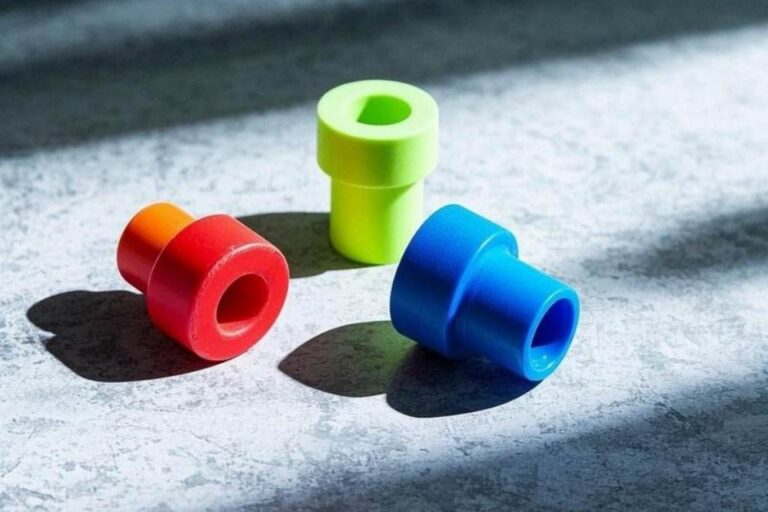
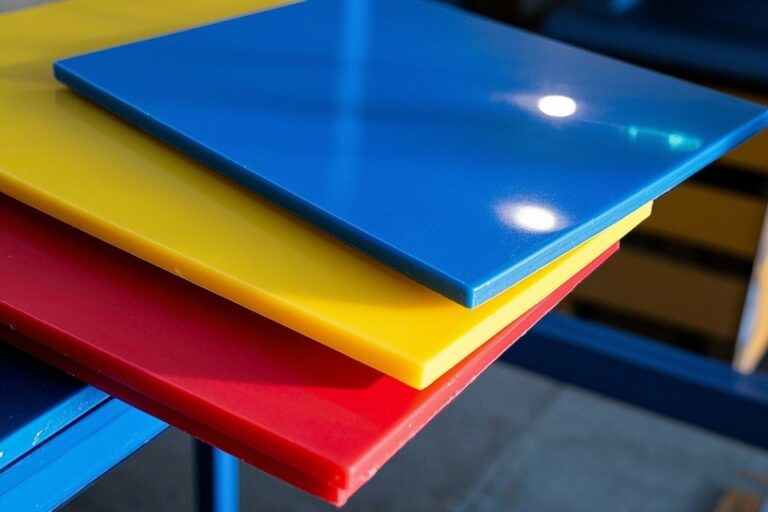
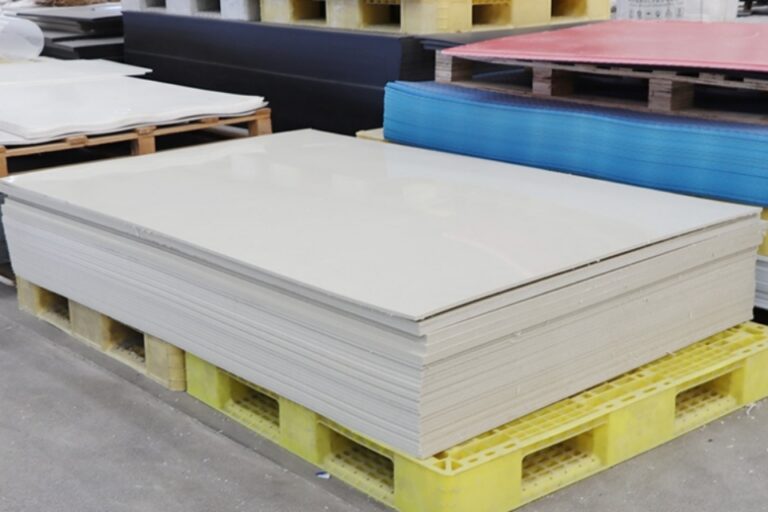
If you’re sourcing liners, your product page for MG Engineering Plastic Sheets is the right place to start, because it’s made for wear-and-flow jobs like this. You can see it here:
https://uhmwpe-manufacturer.com/mg-engineering-plastic-sheets/
Wear liners
Wear in a bunker isn’t just “it got thinner.” Wear changes flow.
- Wear creates steps and lips at joints.
- Wear creates trenches that trap fines.
- Wear exposes fastener heads.
- Wear makes “smooth-ish” areas turn into sandpaper.
Limit plates usually live in the high-abuse zones: where coal slides, churns, or changes direction. So they need to resist wear, yes. But they also need to keep a clean surface profile so flow doesn’t degrade over time.
This is why “harder” isn’t always the answer. A super hard surface can still hang-up if it’s rough, stepped, or poorly joined. And if you build a sharp ledge, coal will find it. It always do.
Valley angle clean-out plates
If you’ve ever looked inside a bunker, you know the “valley” corners can pack up fast. Those corners become a storage shelf for fines.
A practical approach is adding valley angle clean-out plates (people call them different names). Think of them as a controlled surface that:
- covers the corner pocket
- guides coal past the corner
- gives you an access/clean-out path during outages
But here’s the key: the plate shape must avoid creating a new ledge. The edges need a smooth transition into the liner surface.
Fasteners and edge sealing
Fastening ruins more liner jobs than material choice.
If fines get behind a liner, they can build pressure and “oil-can” the sheet. Then the liner lifts, flexes, and breaks at bolts. You’ll hear it before you see it: bang-bang, slap-slap, then a shutdown.
Design rules that keep you out of trouble:
- Use countersunk fasteners where sliding occurs, and keep heads flush.
- Use tight edge sealing / overlap joints so fines don’t migrate behind.
- Avoid big gaps at seams. Coal fines will find them, no doubt.
- Match fastener spacing to impact level. Don’t “hope” it’ll hold.
Also, don’t over-torque plastics like steel. You can crush the sheet and create stress points. It’s common mistake.
UHMWPE liners
In many coal handling scenes, UHMWPE works well because it’s tough, resists abrasion, and stays slick-ish even when conditions change. You can also cut it into shapes that fit limit plates and odd corners.
Anti-hang-up design
Anti-hang-up design is not magic. It’s just stacking small wins:
- Reduce friction
- Remove ledges
- Remove dead pockets
- Keep surfaces stable as they wear
- Make clean-out safe and fast
If you do only one thing—like add a vibrator—you might mask the issue for a bit. But the root cause stays. Then the bunker starts acting up again when coal changes or the walls get rougher.
Data table: material choice for limit plates and liners
| Material (common options) | Sliding “slickness” | Abrasion resistance | Impact toughness | Noise level | Notes for coal bunker limit plates and liners |
|---|---|---|---|---|---|
| UHMWPE sheet | High | High | High | Low | Good anti-stick behavior; great for flow zones and corners |
| HDPE sheet | Medium | Medium | Medium | Low | Works for lighter duty; may wear faster in high-churn areas |
| Nylon sheet | Medium | High | Medium | Medium | Strong, but moisture can change feel; watch swelling and fit |
| Steel plate (unlined) | Low–Medium (varies) | Medium–High | High | High | Wears into rough profile; seams and steps often cause hang-up |
Practical field scenarios
Feeder starvation
You see the feeder current drop. Coal stops feeding. The bunker looks fine. That’s classic ratholing or bridging. A slick liner + better corner plates often fixes it without adding more vibration.
Wet coal season
Coal comes in wetter. Suddenly you get build-up on “good” steel. If you already run UHMWPE-facing in the sticky zones, you usually ride through this season with less drama.
Planned outage clean-out
If your limit plate design includes clean-out access and smooth edges, the job gets quicker and safer. That matters. Nobody wants to do extra confined-space time.