-
Tian Dong Industrial Park, Decheng District Economic and Technological Development Zone, Dezhou City

Bolting Patterns For Liner Plates: Keep Sheets Flat And Tight
If you’ve ever opened a chute or hopper and saw a liner that looks like a potato chip, you know the pain. The sheet started flat. Then it buckled, waved, or lifted at the seams. After that, fines sneak behind it, bolts get loose, and your “low-friction liner” turns into a hang-up factory.
Here’s the simple truth: a liner plate doesn’t stay flat just because the material is good. It stays flat because your bolting pattern matches real life—thermal movement, impact zones, vibration, and messy material flow.
This post focuses on PP/PE liner plates and the same fastener logic many crews use on UHMWPE liners and liner plates.
If you want to see our PP/PE Products, start here: https://uhmwpe-manufacturer.com/pp-pe-products/
Table of Contents
Thermal Expansion Of PE Liners And Why Sheets Buckle
PE and PP-based liners move more than steel. They expand and shrink with temperature swings. In a plant, that swing isn’t “a theory.” It’s daily reality. Morning cold. Hot product. Sun on one wall. Washdown. Steam. You get the idea.
When the sheet wants to grow, it pushes. If your bolt layout fights that growth in the wrong way, the panel can:
- ripple between bolts
- dome in the middle
- open a seam
- pull a bolt head through the material (yep, it happens)
So your first goal is this:
Let the liner move a tiny bit without losing clamping.
That’s the whole game.
Perimeter Fastener Spacing Vs Field Fastener Spacing
A lot of installs fail because the crew treats every bolt the same. They run a nice, even grid and call it “clean.” It looks pretty, but it often performs bad.
In real chutes and hoppers:
- edges peel first
- seams leak first
- corners trap fines first
- impact zones shake bolts loose first
So you usually want tighter spacing around the perimeter and support bolts in the field (the middle area) to stop oil-canning.
Typical Starting Points For Bolt Pitch And Edge Distance
Use this table as a starting range. Your final pattern should match your sheet thickness, load, temperature swing, and whether your flow is smooth or violent.
| Zone | What you’re trying to stop | Typical spacing (center-to-center) | Typical edge distance |
|---|---|---|---|
| Perimeter (outer border) | edge lift, seam opening | 200–250 mm | ~50 mm |
| Field (middle of sheet) | bulge, ripple, “oil can” | 350–400 mm | n/a |
| Thin liners (light duty) | wave between bolts | 150–200 mm | keep edge tight |
| High vibration / impact zone | bolt back-out, sheet pumping | tighter than normal | keep edge tight |
Quick rule that works in the field:
If the sheet can “drum” when you slap it, the bolts are too far apart. Sounds silly, but it’s real.
Bolt Hole Clearance For PP/PE Liner Plates
Don’t drill bolt holes “tight to the bolt” like you would in steel work. For PE liners, you often want clearance. The sheet needs a little slip to handle movement.
At the same time, you still need clamp area. So you balance clearance with washers and head style.
Hole And Washer Setup That Usually Behaves Better
- Oversize hole (small amount of clearance) so the liner can breathe
- Wide washer to spread load and reduce pull-through
- Keep washer centered (if it sits off-center, movement gets weird)
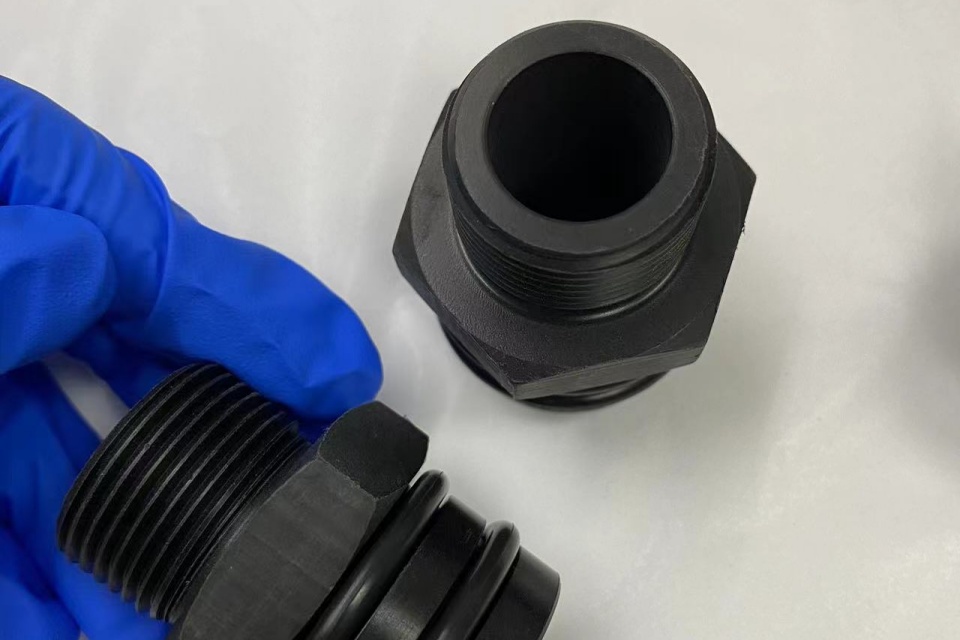
If you skip the washer, the bolt head can “dig in” and the liner creeps over time. Then it loosens. Then fines go behind it. Then you’re doing a shutdown repair on a Friday night. Not fun.
Cross-Pattern Tightening Sequence Keeps Sheets Flat
Even a perfect bolt pattern can fail if you tighten it wrong.
If you torque around the sheet in a circle, you can lock one side down first. The sheet twists. Then you force the rest flat. You just built stress into the panel, and it’s gonna show up later as buckling.
Tightening Sequence For Liner Plate Bolts
- Snug all bolts lightly (don’t crank yet)
- Tighten in a cross pattern (like a flange)
- Do 2–3 passes, increasing torque each pass
- Re-check after the first production run (yes, really)
This is boring work. But it saves you downtime. And it makes your liner look “installed by pros,” not “installed in a hurry.”
Seam Protection And Material Ingress Behind Liners
Most liner failures start at seams. Not because seams are evil. Because fines are sneaky.
When fines get behind the liner:
- they pack in like concrete
- they jack the sheet off the wall
- they create a hump that catches more product
- you get bridging, rat-holing, and random flow stops
So treat seams like a high-risk area.
Chute Liner Seams And Flow Direction
Try to avoid long vertical seams in high-flow areas. If you must use them, break them up. Stagger them. Keep seams out of impact zones when you can.
Also, think about leading edges (top edge where material hits first). If that edge isn’t protected, product can “peel” the sheet over time. You won’t notice on day one. You’ll notice when the edge curls and starts catching material like a spoon.
Flush Fasteners Reduce Hang-Up And Carryback
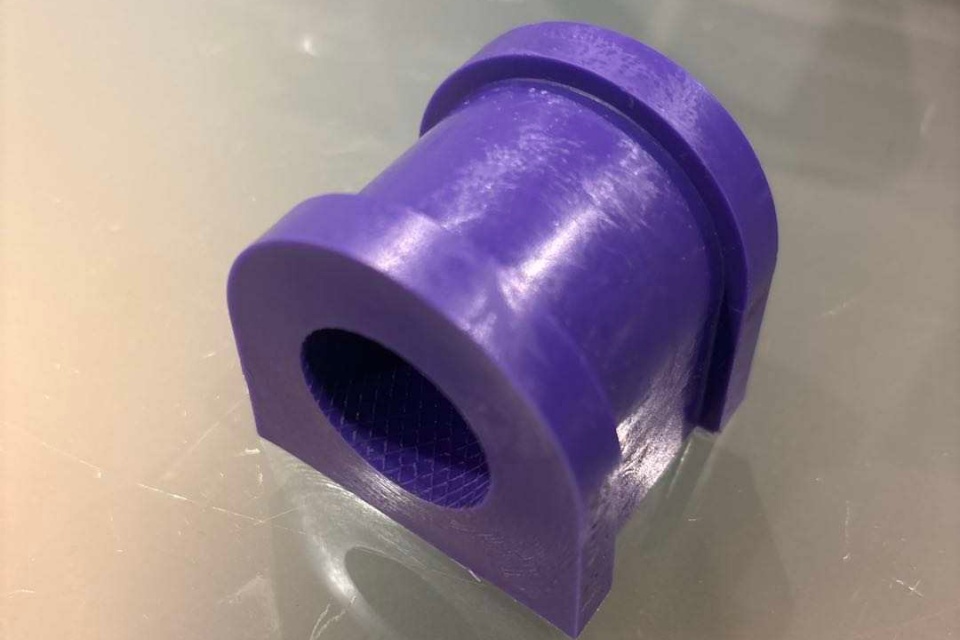
If bolt heads stick out, bulk material hits them. That creates:
- small dead zones
- build-up points
- extra abrasion
- carryback (stuff sticking and coming back around)
In sticky materials, those bolt heads become little “hooks.” Suddenly your liner isn’t low-friction anymore.
So many crews go for:
- countersunk fasteners (where appropriate)
- capped bolts / plugs
- recessed pockets
Is it always required? Nah. But in high-speed flow, it helps a lot.
Common Field Problems And Fixes People Actually Use
“My liner still ripples between bolts”
- Reduce bolt spacing in the problem zone
- Add field fasteners (don’t only tighten edges)
- Check if the sheet thickness matches the duty
- Confirm the wall surface is flat (weld spatter can hold the liner off)
“Bolts loosen every few weeks”
- Use a better tightening sequence (multi-pass cross pattern)
- Check vibration source (bad idler, fan imbalance, loose structure)
- Consider locking method (depends on your plant rules)
“Material packs behind the liner”
- Improve seam protection and edge control
- Reduce gaps at joints
- Move seams away from direct flow when possible
PP/PE Products For Liner Plate Builds And OEM Installs
If you’re doing a chute relining project or building equipment for end users, you usually don’t want “random sheet.” You want consistency. You want stable supply. And you want holes, slots, and cut patterns that match your drawings.
That’s where our PP/PE Products fit in:
https://uhmwpe-manufacturer.com/pp-pe-products/
We support:
- custom machining (holes, slots, countersinks, pockets)
- batch wholesale orders for shutdown season
- OEM/ODM builds for equipment makers
- sampling and production lead times that match real project schedules
And yes, we’ve seen the same headache you’ve seen: one bad bolting layout can ruin a good liner. So if you share your chute size, liner thickness, and your worst problem zone (impact? heat? fines?), we can suggest a practical pattern. Not perfect math. Just a pattern that works in the real world.
Liner Plate Bolting Pattern Checklist
Before you sign off the install, walk this list:
- Perimeter bolts tight enough and evenly spaced
- Field bolts added where the sheet wants to bulge
- Clearance holes + washers set correctly
- Seams minimized, staggered, and protected
- Fasteners sit flush where hang-up is a risk
- Bolts tightened in cross pattern, in multiple passes
- Re-check plan after initial run (dont skip this one)
Keep the sheet flat. Keep it tight. And keep fines out from behind it.
That’s how you turn liners into uptime, not another maintenance story.