-
Tian Dong Industrial Park, Decheng District Economic and Technological Development Zone, Dezhou City

Handle Designs, Bevels, and Anti-Slip: Safer Pad Handling
When we talk about outrigger pads, ground protection mats, coal bunker limit plates, most people jump straight to load capacity.
“How many tons can it take?”
But in real jobsite scene,many accidents actually come from how people handle the pad, not only how much weight it carry.
Bad handle. Sharp edge. Slippery surface.
Small detail, big trouble.
As a High-Performance Engineering Plastic Products Manufacturer, we see this every day when customers ask for custom UHMWPE / HDPE pads and OEM/ODM solutions. Let’s break it down in a simple, field-style way.
You can think about this article as a toolbox talk for your future pad design.
Table of Contents
Why Safer Pad Handling Matters on Site
On paper, your pad only need to spread ground bearing pressure.
On site, your crew must:
- Drag pads from truck to crane
- Carry them over mud, ice, messy ground
- Set and re-set pads when lift plan change
- Stack them again after job
Every move is a risk point:
- Fingers caught in cut-out handle
- Worker trip on a square edge
- Pad slide on wet concrete
- Shoe slip on smooth pad surface
So when you design UHMWPE outrigger pads from UHMWPE HDPE sheets & plates, or when you customize coal bunker limit plates for heavy industry use, handle, bevel, anti-slip become real safety hardware, not just “nice design”.
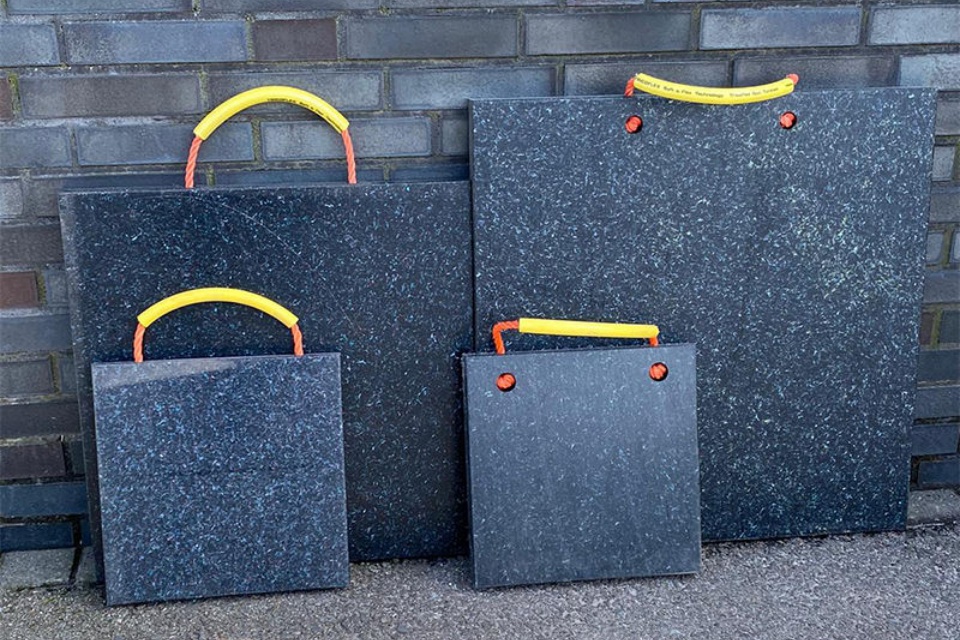
Ergonomic Handle Designs for Outrigger Pads
Ergonomic handle designs
A good handle is not just “a hole in the plastic”. It should:
- Let the worker lift with neutral wrist position
- Allow full-hand grip even with thick gloves
- Keep hand away from pinch point under the crane foot
- Help two-man lift when pad is big and heavy
On site, your rigging guys don’t read manuals. They grab what looks easy.
If the handle feels right, they automatically use better posture.
With custom UHMWPE pads cut from UHMWPE HDPE sheets & plates, you can design:
- Recessed hand pockets instead of sharp rectangular cut-outs
- Rounded internal corners inside the handle
- Bigger radius for gloved hands
This type of handle reduce:
- Finger cuts from sharp edges
- Sudden pad drop when grip slip
- Lower-back strain from awkward one-hand lifting
It looks like small detail, but your safety officer will see less “near miss report” around pads.
Beveled Edges and Radius Corners Reduce Trip Risk
Beveled pad edges
Think about a classic square pad:
- 90° sharp edge
- Full thickness step on the ground
At 5 a.m., dark and cold, one worker walk backward guiding the crane. His heel hit that sharp edge. He don’t fall every time, but one bad step is enough.
Beveled edges change the game:
- Edge becomes a small ramp, not a hard step
- Shoes, wheels, pallet jacks roll over more smooth
- Less “catch” for safety boots and hoses
For coal bunker limit plates in bulk material systems, you also see heavy impact on the edges from coal flow and maintenance tools. Using radius corners and bevels on those coal bunker limit plates helps:
- Reduce chipping and crack start points
- Avoid razor-sharp broken corners
- Extend service life in that dusty, abrasive scene
Radius corners for durability
A radius corner on UHMWPE is not just for nice look. It:
- Spreads impact instead of focusing it in one small point
- Makes stacking and unstacking safer for hands
- Keeps pad geometry stable even after many cycles
In simple words: less break, less injury, more uptime.
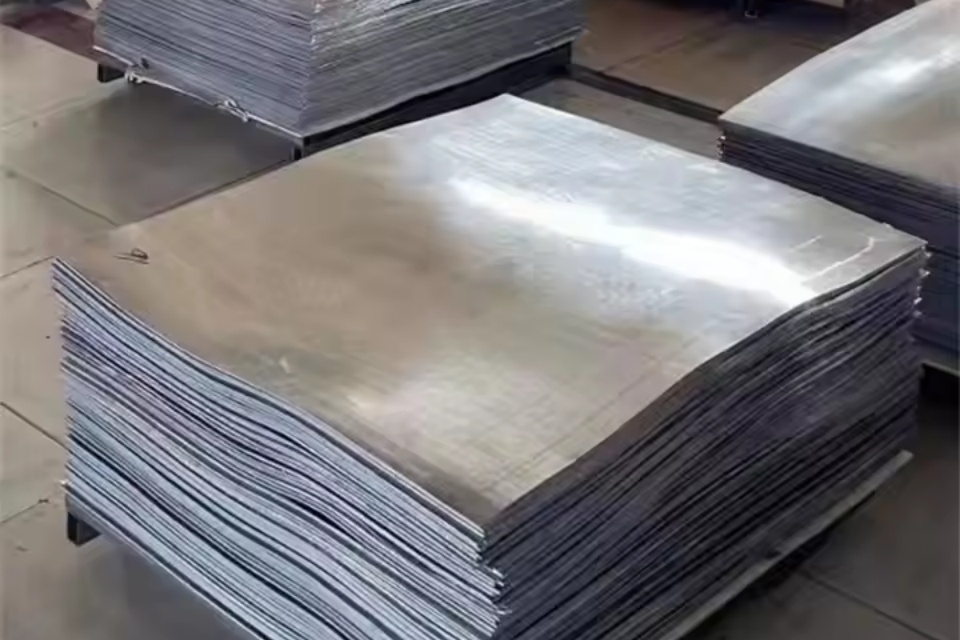
Anti-Slip Textured Surfaces for UHMWPE Pads
Anti-slip top surface
UHMWPE and HDPE are naturally low friction. Great for sliding coal, ore, and bulk material.
But for pad handling, too slippery surface is a problem.
So we flip the idea: keep low friction where you want things to slide (chute liner, coal bunker), and add anti-slip texture where you want grip (pad top and bottom).
A good anti-slip pad surface should:
- Give shoe soles “bite” even with mud and dust
- Lock outrigger foot in place, reduce micro sliding
- Offer better hand grip when pad is wet or oily
Texturing can be:
- Cross-hatch pattern
- Fine “orange peel” surface
- Directional ribs perpendicular to main load direction
You don’t need crazy pattern. You just need enough roughness so the pad becomes a stable work zone, not an ice rink.
Anti-slip bottom surface
Many accidents come from pad sliding on:
- Wet concrete
- Steel deck
- Smooth asphalt
By machining or molding texture on the bottom side too, the pad “bites” the ground.
This is very useful when you build custom pads from thick UHMWPE plates for port cranes or wind projects, where wind load try to move everything. You can even tie this thinking into UHMWPE outrigger pads and plastic crane leg support pads, where stability is the key selling point.
Comparison: Traditional Pads vs Engineered UHMWPE Pads
| Feature | Traditional plywood / steel pad | Engineered UHMWPE/HDPE pad with handle + bevel + anti-slip | Safety impact on site |
|---|---|---|---|
| Handle type | Simple cut-out or no handle | Ergonomic recessed handle, rounded inside corners | Less finger injury, better lifting posture |
| Edge shape | 90° sharp edge | Beveled edge, radius corners | Lower trip risk, fewer broken sharp corners |
| Top surface | Smooth, may be polished by wear | Anti-slip textured pattern | Better shoe and glove grip |
| Bottom surface | Often smooth | Optional anti-slip texture or pattern | Less pad sliding on wet or dusty ground |
| Durability of edges | Easy to chip, absorb water (wood) | Tough UHMWPE edge with radius, no water absorption | Longer life, more stable geometry |
| Weight vs handling effort | Heavy steel, or weak wet plywood | Lighter than steel, stable strength when wet | Easier manual handling, less fatigue |
| Customization for scene / use case | Difficult, limited shapes | CNC-cut from sheets, many shapes and handle options | Match real lift scene instead of “one size” |
You don’t need numbers to see the trend.
Better design = safer handling = fewer headaches.
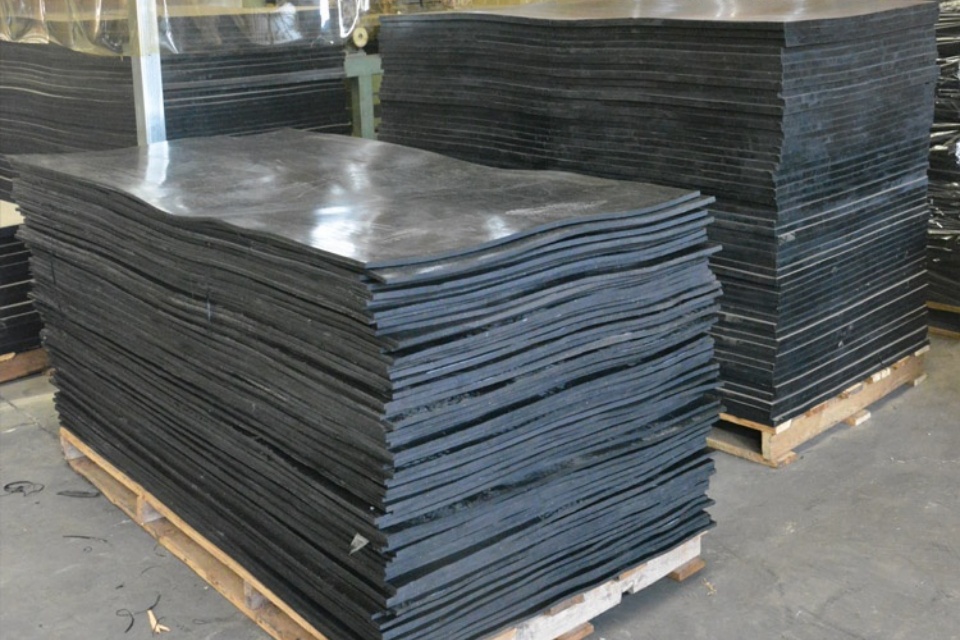
Where Dongxing Rubber Fits in Real Projects
In many crane and plant scene, customers don’t buy just one material.
They mix UHMWPE pads with rubber components to build a complete support system.
For example:
- UHMWPE outrigger pads made from UHMWPE HDPE sheets & plates give high load spread, low weight
- Rubber parts from Dongxing Rubber give extra vibration damping or protection under steel parts
When you combine both in one lift plan, you get:
- Solid load distribution from the plastic pad
- Softer contact in special points from rubber pieces
- More comfortable feeling for operators and inspectors
From a business side, this also open more OEM/ODM scene:
- Complete pad kits for crane rental fleets
- Custom pad + limit plate package for coal power plants
- Bulk orders for distributors who serve different small contractors
Simple Checklist Before You Order Custom Pads
Before you ask for quote from a UHMWPE & HDPE manufacturer like us, or from your regular Dongxing Rubber contact, you can run this mini checklist during your toolbox talk:
- Handle design
- Can workers lift it safely with gloves?
- Do you need one-hand carry or two-man carry?
- Edge design
- Do you want bevel on all four sides, or only two?
- Any tight area where trip risk is very high?
- Anti-slip requirement
- Typical ground: concrete, steel, soil, coal?
- Need texture on top only, or top and bottom?
- Scene and equipment
- Crane type, outrigger shoe shape, axle load level
- Coal bunker limit scene, conveyor gallery, port yard, wind farm, etc.
- Service model
- One-time project or long-term fleet standard?
- Need logo engraving, serial number, color code for HSE audit?
If you answer these questions clear, your pad design process becomes much more easy.
The factory can cut and machine UHMWPE sheets, or shape coal bunker limit plates, to match your real scene instead of just random dimensions.
Closing: Safety Starts Before the Lift
Most safety talk around pads is about “use pads under every outrigger.”
That’s right, but not enough.
Real safety start before the first lift, when you design:
- Handles that people really want to use
- Beveled edges that don’t catch boots
- Anti-slip surfaces that turn the pad into a safe working island
Do this well, and your crane, your coal bunker, your whole project just feel more calm.
Less shouting, less near miss, more smooth shift.
And that, even without any cost calculation, is already very good ROI for your team.