-
Tian Dong Industrial Park, Decheng District Economic and Technological Development Zone, Dezhou City

Fasteners For PE Sheets: Thread Types, Inserts, And Pull-Out Strength
When you bolt steel, life is easy. Threads bite hard, nothing “flows”, and pull-out is not your first worry.
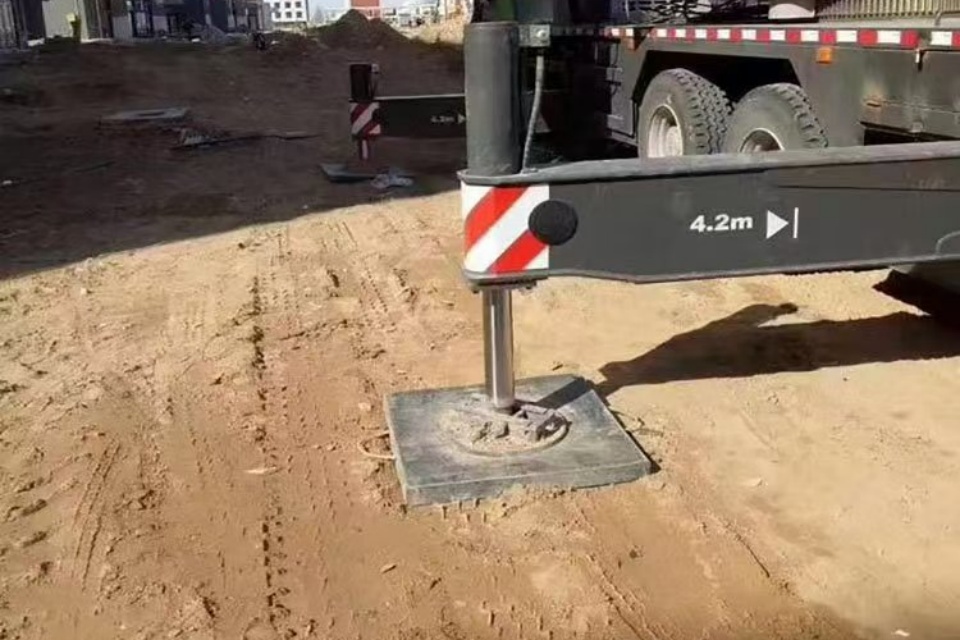
With PE sheets (HDPE, UHMWPE) it’s a different game. The material is soft, it creeps, and if you choose the wrong screw, it strips like butter. That’s a big problem when you’re holding crane outrigger pads, ground protection mats, or ice rink boards together.
In this article, we’ll walk through thread types, inserts, and pull-out strength for PE sheets, and we’ll keep it close to real shop-floor scenes. As a manufacturer of UHMWPE & HDPE products, Dongxing Rubber meets these questions almost every week.
Table of Contents
Why Fasteners For PE Sheets Behave Different
PE is tough but not stiff. It has:
- Low modulus – it flex easy, so the clamp load relax more over time.
- Creep / cold flow – under constant load, the material moves slowly.
- Low surface hardness – threads can cut in, or tear out, if you over-torque.
So if you copy a metal joint 1:1 and just “swap in HDPE”, you often see:
- Bolts loosening after a few weeks.
- Threads stripping when the installer “gives one more turn”.
- Bosses cracking around self-tapping screws.
That’s why we talk not only about “which screw”, but also thread form, embedment depth, and backing plates.
Thread Types For PE Sheets And HDPE Plates
Self-Tapping Thread-Forming Screws For Thermoplastic PE
For most PE sheet jobs, especially medium load, thread-forming self-tapping screws work best. These are the screws designed for plastics, not standard metal sheet screws.
Key features you want:
- Coarse, deep threads – more plastic between the flanks, more pull-out strength.
- Narrow flank angle (around 30°–45°) – plastic wraps the thread instead of splitting.
- Smaller minor diameter – leaves more material to carry load.
Typical field scenario:
You’re fixing an HDPE wear strip to a steel beam. With proper pilot hole and plastic screws, you drive them in once, no cracking, and the line tech can replace the strip later without destroying the boss.
In shop slang, we sometimes say: “Use plastic threaders, not metal eaters.”
Coarse Wood-Style Screws In Thick UHMWPE Pads
When the sheet is thick, like UHMWPE crane outrigger pads, many teams use coach screws / lag screws / wood-style screws with a slightly undersized pilot hole.
Why they work okay here:
- The pad is thick, so you get long embedment.
- The load is mostly compression from the crane outrigger, not pure tension.
- You usually combine them with a steel plate and big washer on the top.
Is it perfect design theory? Maybe not always. But on real job sites, this kind of joint is common and, with correct pilot and torque, the pull-out strenght is acceptable.
Threaded Inserts In PE Sheets: When Simple Screws Are Not Enough
Heat-Staked And Press-In Inserts In HDPE / UHMWPE
If you expect the fastener to be removed many times, direct threads in PE will die fast. Here, metal inserts shine:
- Heat-staked or ultrasonic inserts melt into the PE and lock with knurls.
- Press-in or molded-in inserts work well in thick pads and blocks.
Benefits:
- Much higher pull-out strength than cut threads in plain PE.
- Much better torque-out resistance (screw won’t just spin the insert).
- You can use standard machine screws, easier for maintenance crew.
For example, a service team that swaps ground mats or ice rink dasher panels every season likes inserts. They can unscrew, re-screw, and the joint still feel solid.
When To Choose Inserts Versus Through-Bolts
Inserts add cost and processing, so you don’t drop them everywhere. Good rules of thumb:
Choose inserts when:
- You expect many assembly cycles.
- You need high tightening torque.
- Space is tight, and you can’t use big washers or through-bolts.
Choose through-bolts with washers when:
- Load is very high or safety-critical.
- You have access to both sides of the sheet.
- You want the safest way to avoid pull-out in soft plastic.
At Dongxing Rubber, when customers ask about heavy duty crane outrigger pads, we often propose through-bolt + big washer + UHMWPE pad instead of only tapped threads. Field guys sleep better with that.
Pull-Out Strength In PE Sheet Fastening: What Really Matters
Factors That Control Pull-Out Strength
For PE sheets, pull-out strength depends mainly on:
- Embedment depth – more thread in the plastic = more resistance.
- Screw diameter and thread form – coarse plastic threads beat fine metal ones.
- Sheet thickness / boss height – thin sheet, low pull-out, simple as that.
- Backing plate / washer size – spreads load, stops local crushing.
To give you a quick picture, here’s a relative comparison you can use in design talks. These are not lab numbers, but realistic trends we see in projects.
Comparative Fastener Options For PE Sheets
| Fastener option | Typical PE sheet usage | Relative pull-out strength | Reassembly cycles | Typical problem if misused |
|---|---|---|---|---|
| Fine-thread metal screw in drilled hole | “Quick fix” on thin HDPE sheet | ★☆☆ (low) | 0–1 | Strips threads on first strong tightening |
| Coarse wood / lag screw in pilot hole | Thick UHMWPE pads, simple field jobs | ★★☆ (medium) | 1–3 | Can crack around hole if pilot too small |
| Plastic-specific thread-forming screw | General HDPE/UHMWPE covers, wear strips | ★★★ (good) | 3–10 | Loses clamp over time if embedment too short |
| Threaded insert + machine screw | Access panels, repeated service points | ★★★★ (high) | 10+ | Insert can spin if installed in too thin section |
| Through-bolt + washer + backing plate | Crane outrigger pads, ground mats, safety joints | ★★★★★ (very high) | 10+ | Usually geometry / clearance, not pull-out, is the limit |
Relative pull-out strength is a simple comparison, not a precise lab value.
You see the pattern: the more metal+geometry you add around the joint, the higher the pull-out and the more cycles it survive.
Design Scenarios: Crane Outrigger Pads And Ground Mats
Let’s bring this down to real use cases.
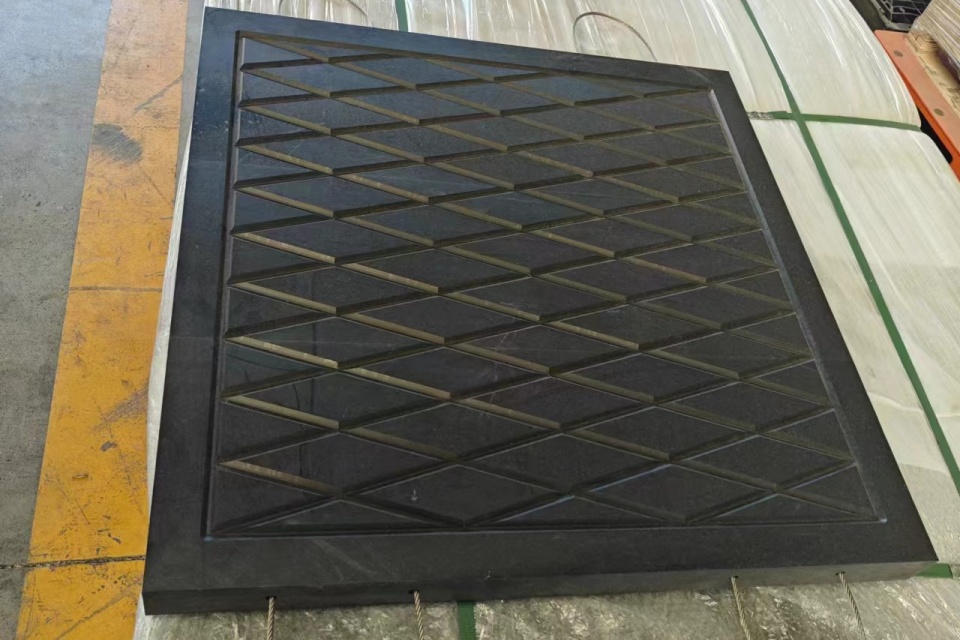
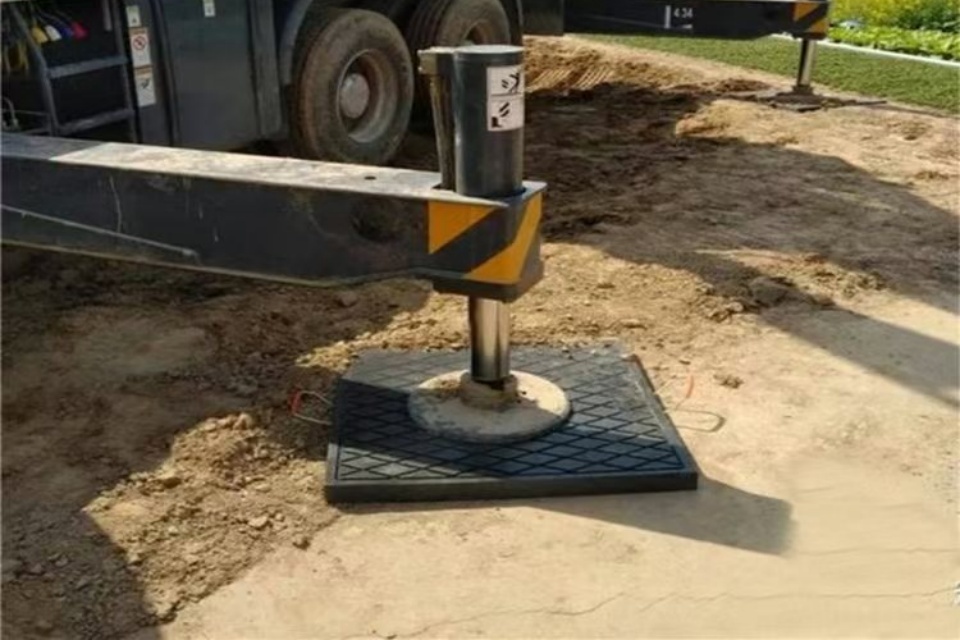
Scenario 1: Bolting Crane Outrigger Pads To A Steel Plate
You’re using UHMWPE crane outrigger pads as the working surface, with a steel frame or handle on top. You care about:
- High compressive load from the crane outrigger.
- No sudden pull-out of the handle when workers move the pad.
- Easy replacement when the pad wears.
A robust design might use:
- Through-bolts passing the pad and the steel plate.
- Large washers or a backing plate to spread load.
- Optional counterbore in the pad, so bolt head sits flush.
You can check our crane outrigger pads to see how this kind of structure looks in real project.
Field slang here is simple: “If the crane is on it, don’t play cheap on the bolts.”
Scenario 2: Connecting Ground Protection Mats Edge-To-Edge
For ground protection & road mats, crews often assemble and disassemble daily. Fasteners see more shear and bending than pure tension.
Common practices:
- Use special connection systems (dog-bone connectors, quick links) instead of direct threads.
- When screws are used, prefer insert + machine bolt or through-bolt with plate.
- Keep hardware easy to replace in the mud, with gloves on.
Here, pull-out strength still matters, but speed of assembly and damage tolerance are equal pain points.
Scenario 3: PE Wear Plates And Fender Pads
For lighter duty wear strips or fender pads, plastic self-tapping screws into HDPE can work fine:
- Good for low to medium load.
- Quick install on site.
- Easy to drill and adjust.
However, once you ask the joint to carry impact loads or frequent vibration, inserts or through-bolts start to look smarter, even if they cost more first time.
How Dongxing Rubber Supports Your Fastener Choices
As a high-performance engineering plastic products manufacturer, Dongxing Rubber doesn’t just sell PE sheets, crane outrigger pads, ground mats, ice rink products, and MG engineering plastic sheets.
We also help you design the joint:
- Suggest thread type for your HDPE or UHMWPE grade.
- Propose insert or through-bolt layouts for your load and span.
- Offer OEM/ODM services with pre-drilled holes, countersinks, and steel backing plates.
- Run simple pull-out and torque tests on samples, so you don’t guess blindly.
If you’re a wholesaler, EPC contractor, or equipment maker doing batch purchase of PE pads and mats, we can ship parts ready for your chosen fastener strategy. No need to re-work every plate in your own workshop.
Fasteners in PE are not magic. When you match thread type, insert or through-bolt choice, and pull-out strength to the real duty, the joint behaves predictable… and your phone ring much less with “hey, the bolts pulled out again” complains.